Siberian Husky vs Alaskan Malamute: how to tell them apart
Both are American sledge dogs, but the Alaskan Malamute is the bigger, heavier one. Its standard gives a desirable male as 63.5 cm and 38 kg, against 53.5 to 60 cm and 20.5 to 28 kg for a Siberian Husky male.
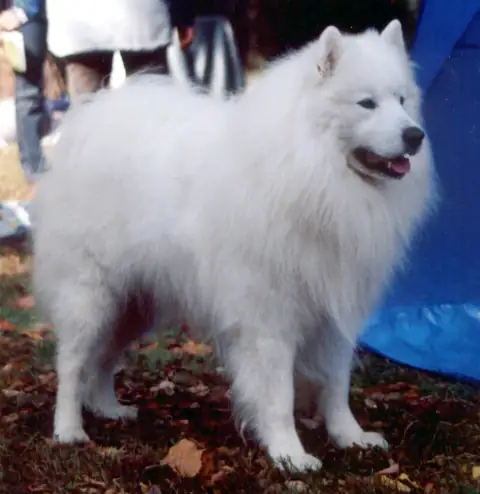
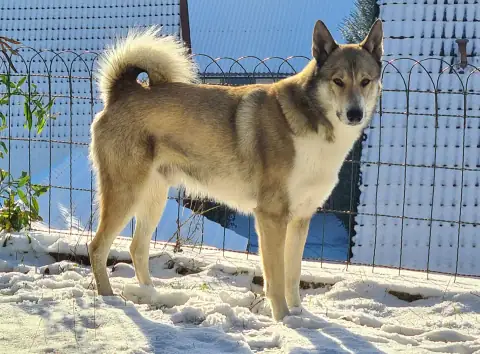
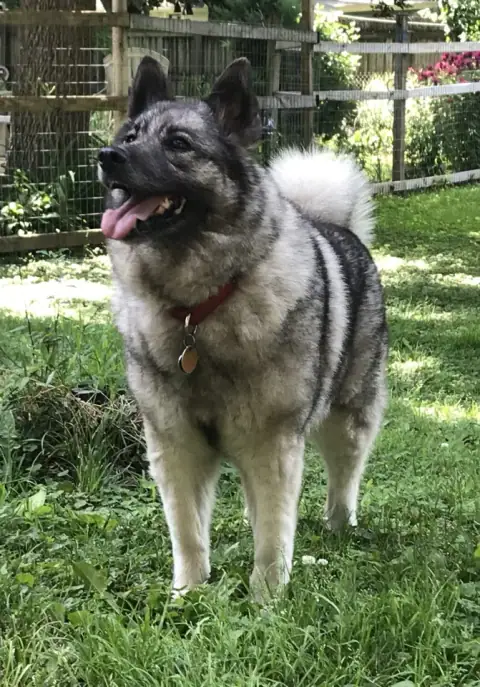
Six dogs: Siberian Husky, Alaskan Malamute, or another breed?
Dog 1.
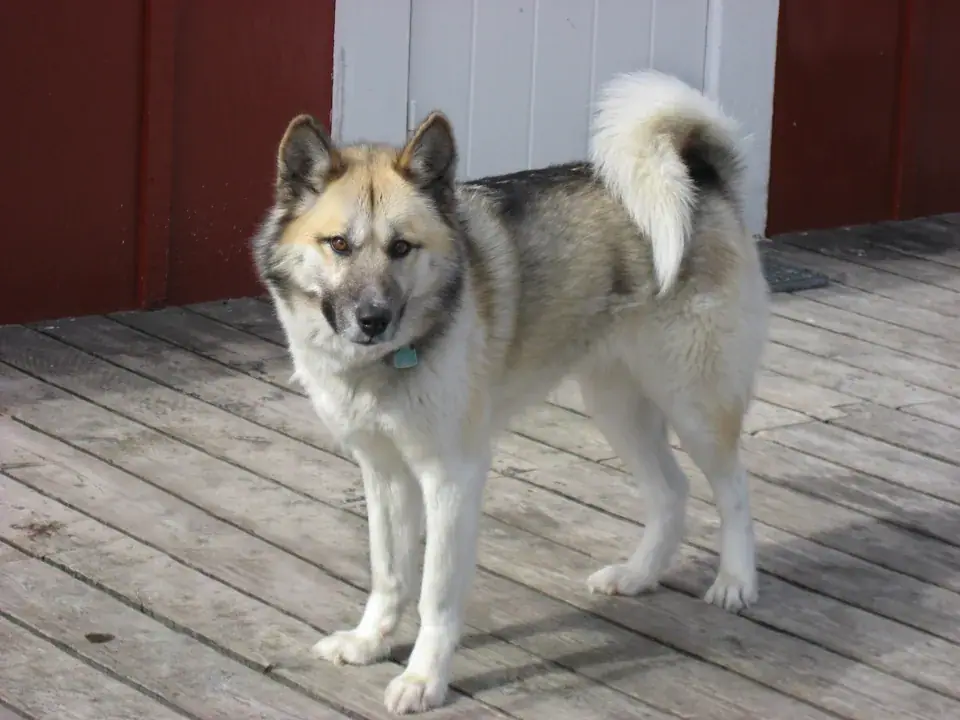
Photo: Slaunger, edited by Thegreenj, CC BY-SA 3.0 Dog 2.
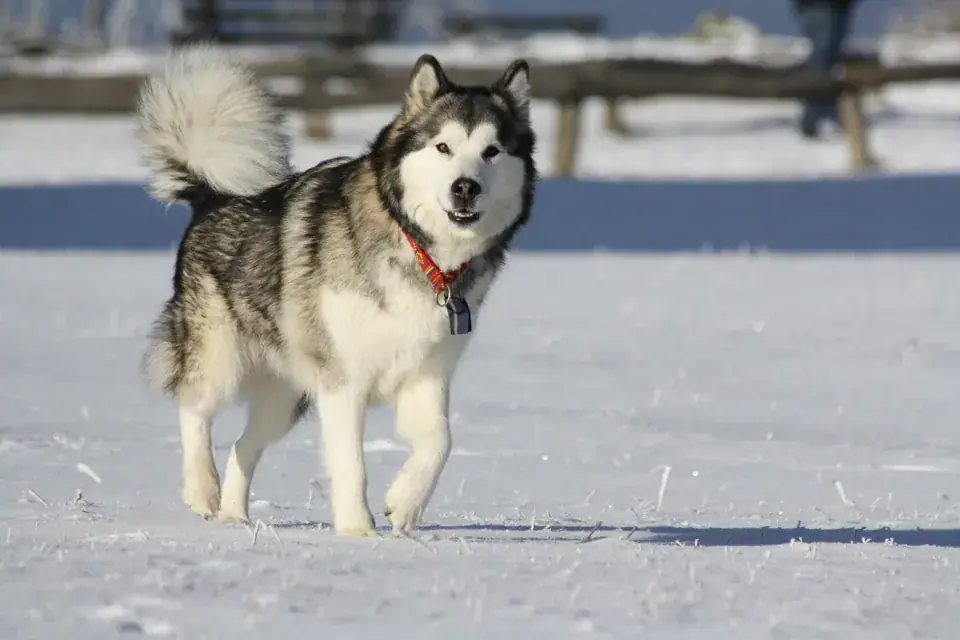
Photo: Carina Wicke Photographer, CC BY-SA 3.0 Dog 3.
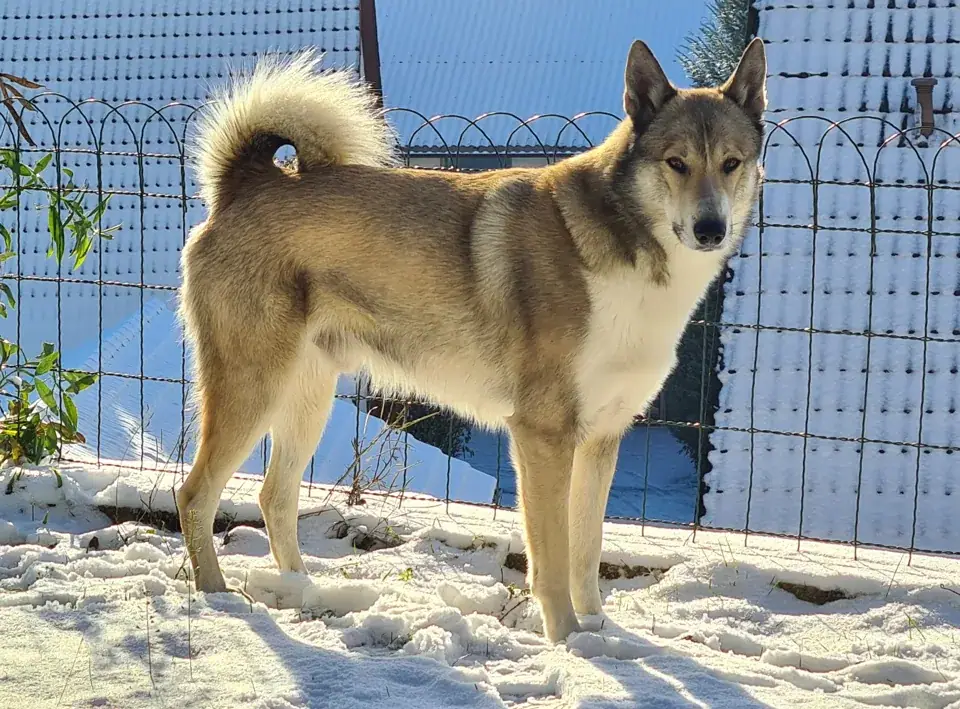
Photo: LS, CC BY-SA 4.0 Dog 4.
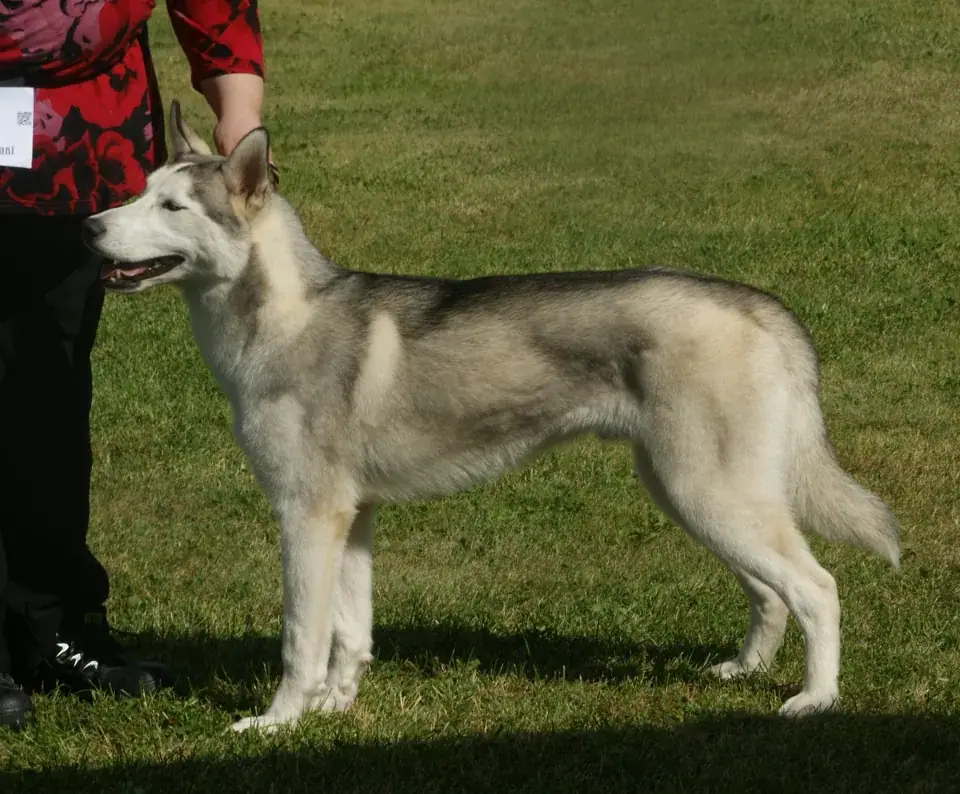
Photo: Canarian, CC BY-SA 4.0 Dog 5.
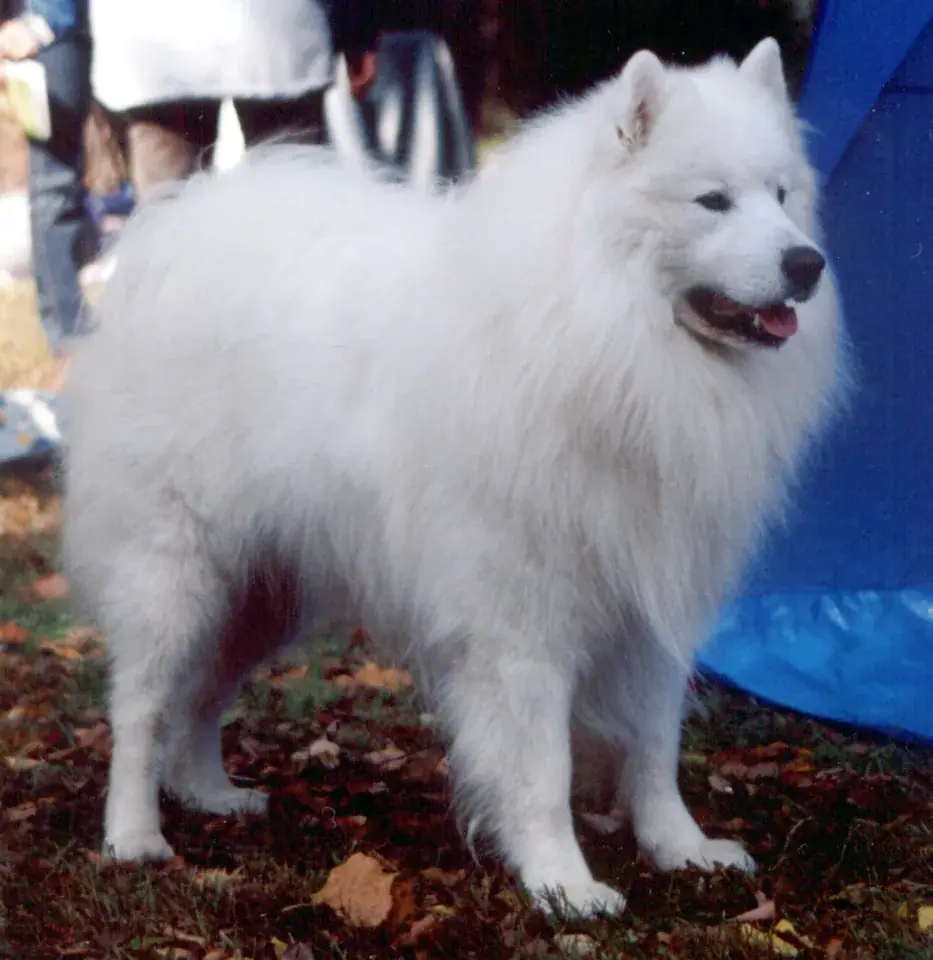
Photo: Pleple2000, CC BY-SA 3.0 Dog 6.
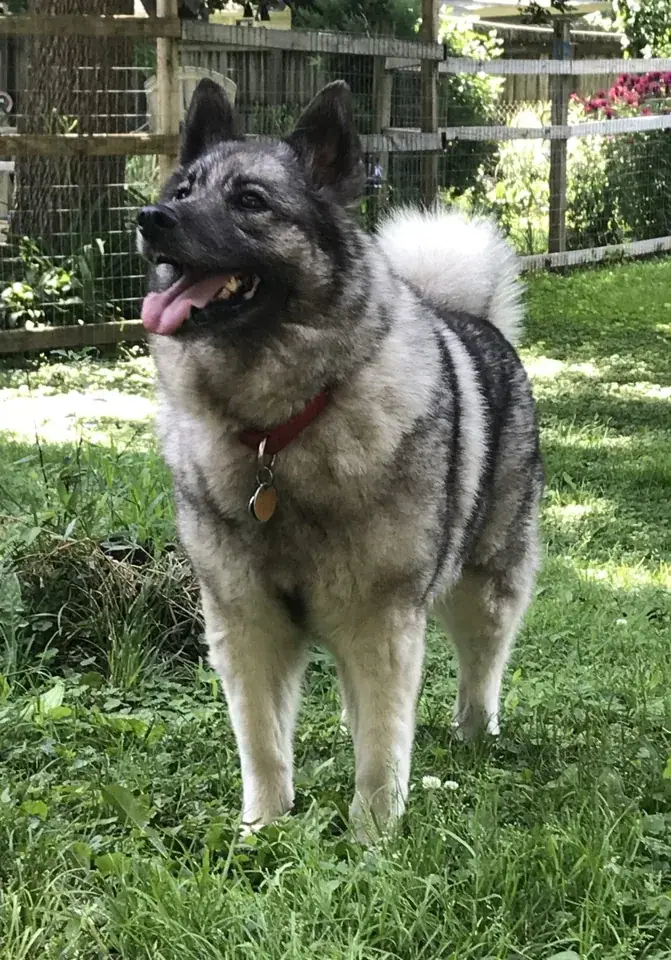
Photo: HawkNightingale175, CC BY 4.0
The two side by side
| Siberian Husky | Alaskan Malamute | |
|---|---|---|
| Home | United States | United States |
| Bred as | A sledge dog, carrying a light load at moderate speed over great distances | A sledge dog for freight; one of the oldest Arctic sledge dogs |
| Height, males | 53.5 to 60 cm | Desirable size 63.5 cm (25 in) |
| Height, females | 50.5 to 56 cm | Desirable size 58.5 cm (23 in) |
| Weight, males | 20.5 to 28 kg | Desirable weight 38 kg (85 lb) |
| Weight, females | 15.5 to 23 kg | Desirable weight 34 kg (75 lb) |
| Build | Medium-sized, quick and light on its feet | Powerful and heavy-boned, with a deep chest |
| Eyes | Brown or blue, one of each, or parti-coloured | Brown; blue eyes disqualify |
| Ears | Medium, close-fitting, set high on the head | Small for the head, set wide apart |
| Tail | A round fox brush, carried in a sickle curve | A waving plume over the back, never a fox brush |
| Colour | Black, grey, agouti, sable, red or white, solid or marked | Light grey to black, sable or red, with white underneath; the only solid colour is white |
How do you tell them apart?
Size and bone first. The Malamute is a freight dog: powerful, heavy-boned and deep-chested, with big “snowshoe” feet. Its standard notes a natural range in size and gives 63.5 cm and 38 kg as the desirable freighting size for a male. The Husky is medium-sized and light on its feet, built to pull a light load at moderate speed over great distances, with males at 53.5 to 60 cm and 20.5 to 28 kg.
Then the eyes. A Husky’s eyes may be brown or blue, one of each, or parti-coloured. A Malamute’s are brown, and its standard counts blue eyes as a disqualifying fault. A dog with blue eyes is not a Malamute.
Then the ears and tail. Husky ears are close-fitting and set high on the head; Malamute ears are small for the head and set wide apart, so they seem to stand off from the skull. A Husky’s tail is a round fox brush; the Malamute’s standard says its tail is not a fox brush but a waving plume.
Is an Alaskan Husky a breed?
Not one the international kennel federation recognises. Its list of breeds has the Alaskan Malamute and the Siberian Husky, and no Alaskan Husky.
Where does each come from?
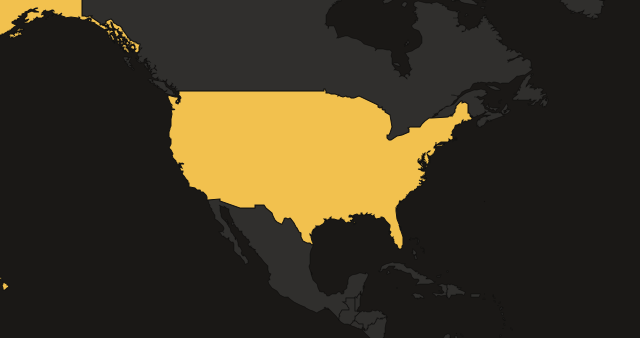
Both breed standards name the United States as the home of the breed, and neither has a history section. The Malamute’s calls it “one of the oldest Arctic sledge dogs”. The game counts the United States as right for both, and Russia as right for the Siberian Husky too.
Both also turn up in the genetics: two large studies, in 2004 and 2010, placed both breeds in the small group that branches off earliest in the dog family tree. The oldest dog breeds page explains what that does and does not mean.
Other northern dogs that look alike
The Japanese spitz breeds, including the Akita and the Shiba, are spitz dogs too.
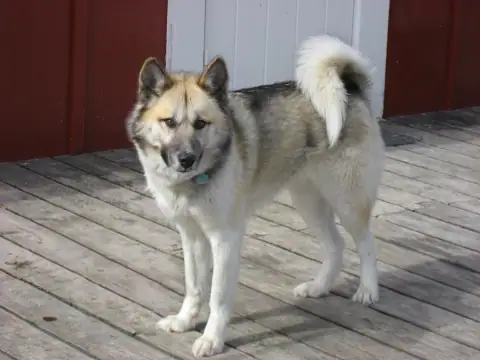


Facts from the Siberian Husky standard (No. 270, 14 November 2022) and the Alaskan Malamute standard (No. 243, 9 March 2023).