Shar Pei
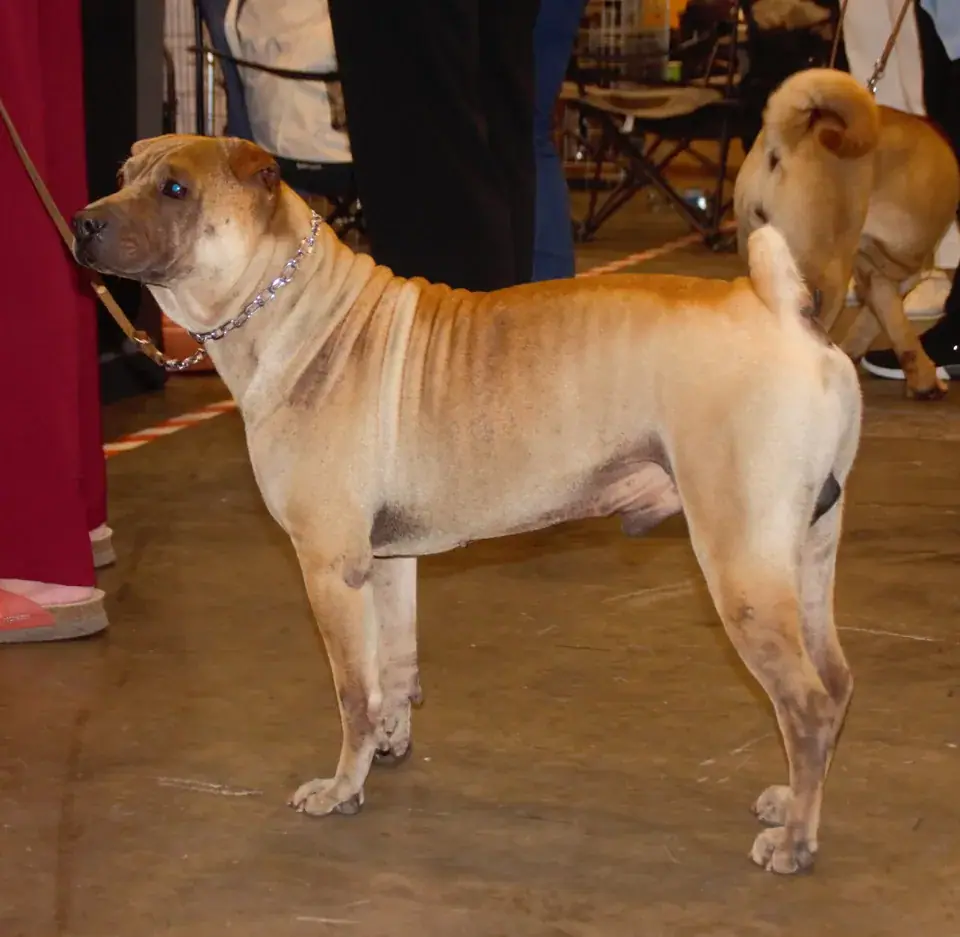
The Shar Pei is a hunting and watch dog from southern China. Its breed standard says it has existed for hundreds of years in the provinces bordering the South China Sea, and names the town of Dialak as its probable birthplace.
What do you know about the Shar Pei?
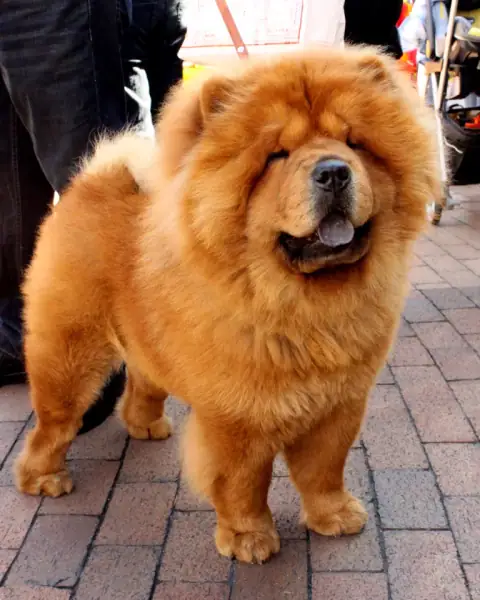
Its standard prefers a bluish-black tongue. Which of these other breeds is known for one too?
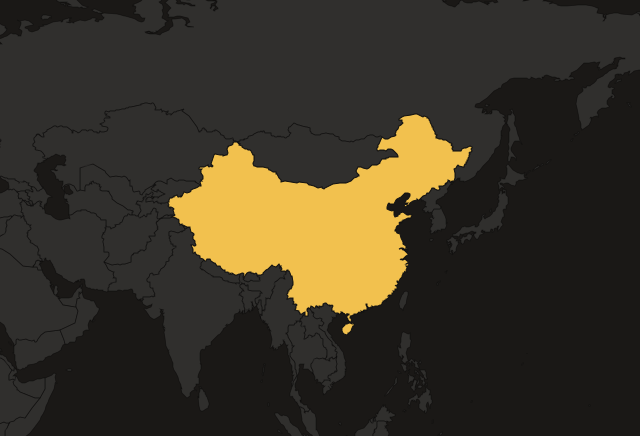
Where in China does its standard place the Shar Pei’s home?
Three big genetic studies sorted dog breeds by how old they look in their genes. Where did the Shar Pei land?
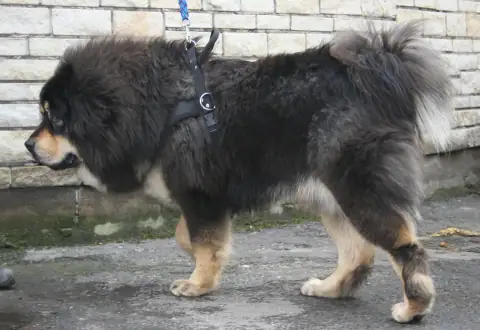
Another dog from China. Where exactly is this one from?
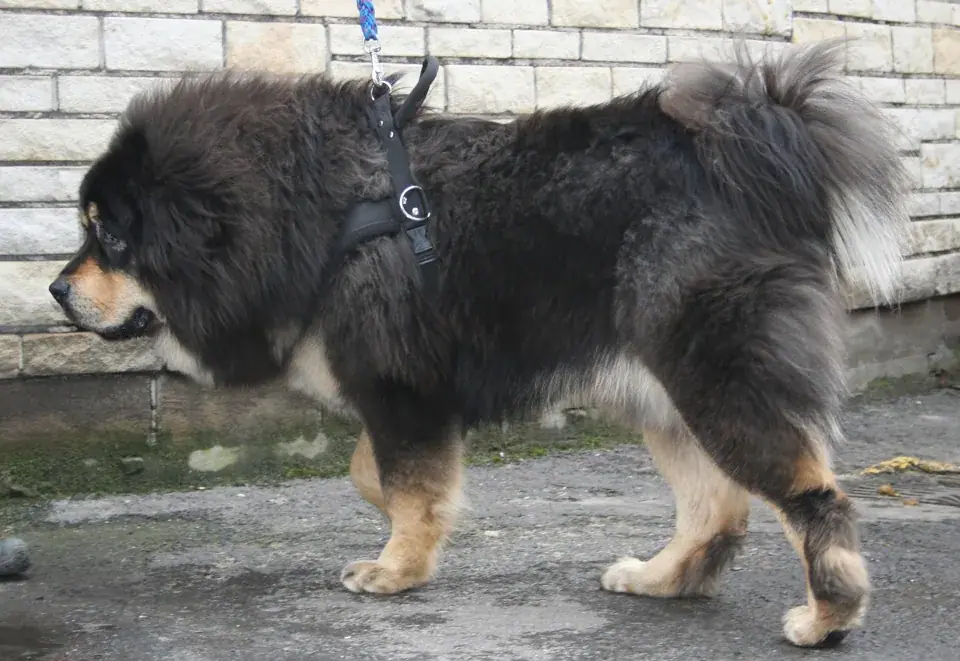
Photo: Pleple2000, CC BY-SA 4.0
Where does the Shar Pei come from?
Southern China. Its standard is short on history: it says only that this Chinese breed has existed for hundreds of years in the provinces bordering the South China Sea, and that the town of Dialak, in the province it spells Kwun Tung, is probably where it began.
The standard lists its jobs as hunting and watching.
Is the Shar Pei an ancient breed?
It looks that way in its genes. Three large studies, in 2004, 2010 and 2012, each placed the Shar Pei in the small group of breeds that branch off earliest in the dog family tree. Only four breeds in this game made that group in all three: the Akita, the Basenji, the Saluki and the Shar Pei.
The 2012 study, by Larson and colleagues, warns against reading that as age. It calls these breeds “basal” rather than ancient, because what they share is little recent mixing with other breeds, which the team links to geographic and cultural isolation. In their words, they “only appear so because of their relative isolation”. The oldest dog breeds page has the full table.
How do you recognise a Shar Pei?
- Wrinkles: on the forehead and cheeks, running into a dewlap, and moderate wrinkling over the shoulders and at the base of the tail. Heavy folds elsewhere on the body are a fault in a grown dog.
- Muzzle: broad from root to tip, with padded lips; the standard calls it a “hippopotamus” muzzle.
- Tongue: bluish-black is preferred, with the roof of the mouth and gums to match. Dilute-coloured dogs have a lavender tongue.
- Coat: short, harsh and bristly, 1 to 2.5 cm, never trimmed, with no undercoat. Any solid colour except white.
- Ears and tail: very small, thick triangular ears; a tail set very high, thick at the root and tapering to a point.
- Size: 44 to 51 cm at the shoulder.
More dogs from China
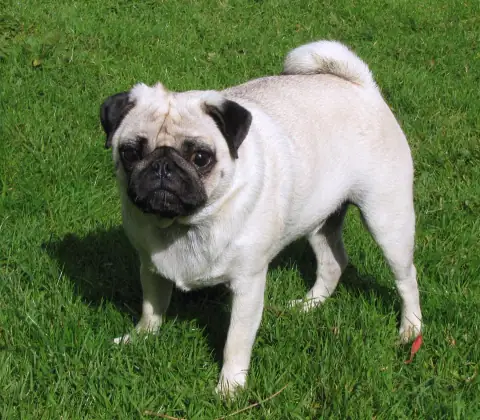
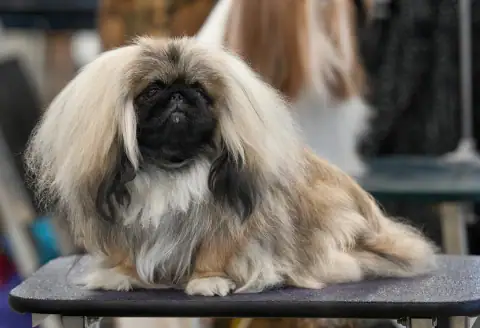
All the Chinese breeds in the game are on one page, from the Pug to the Tibetan Mastiff.

Facts from the Shar Pei’s official breed standard (No. 309, 14 April 1999) and Larson G. et al., PNAS, 2012 (full text).