Italian dog breeds
Sixteen breeds in Breed Guesser list Italy as a home, from the tiny Bolognese to the Neapolitan Mastiff. Four of them are hounds for hare and wild boar, two are mastiffs said to descend from Roman dogs, and one hunts truffles.
Five rounds: which dog is from Italy?
Which one is from Italy?
Which one is from Italy?
Which one is from Italy?
Which one is from Italy?
Which one is from Italy?
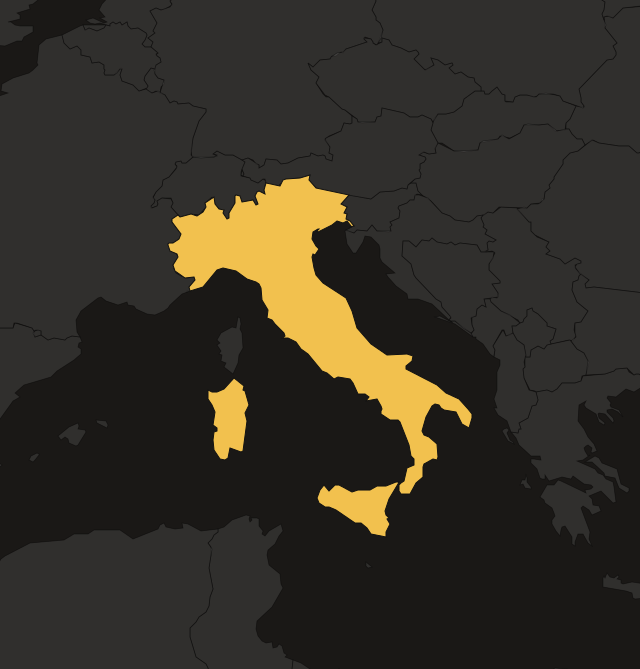
All 16 Italian breeds, by what they were bred for
Herding dogs (2)
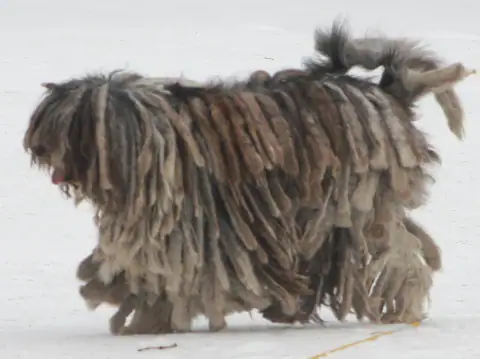
Bergamasco Shepherd Dog
A herding dog of the Alpine valleys around Bergamo, which drove flocks between the mountain pastures and the Po plain. First registered in 1891.
Breed standard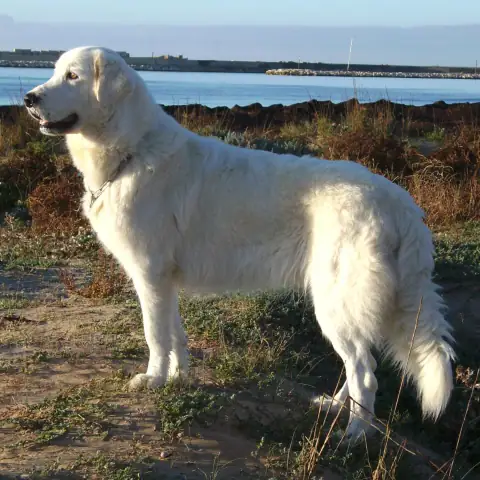
Maremmano-Abruzzese Sheepdog
Also called Abruzzes and Maremma Shepherd Dog
A big flock guardian, from the sheepdogs of the Abruzzo and the Tuscan Maremma, which mixed as flocks moved between the two from about 1860.
Breed standard
Working dogs (2)
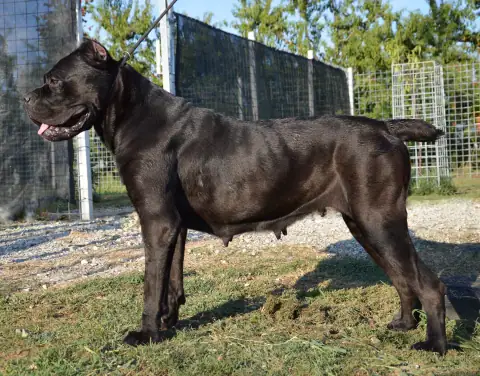
Cane Corso
Its direct ancestor is the old Roman Molossian. In the recent past it was found only in Apulia and nearby southern Italy.
Breed standard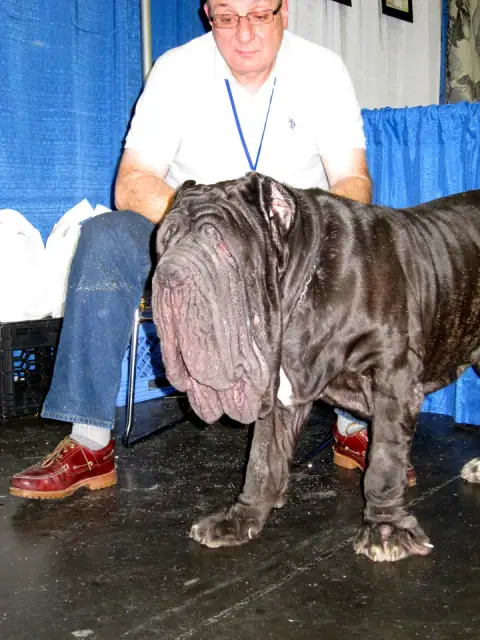
Neapolitan Mastiff
A descendant of the great Roman mastiff described in the first century AD. It survived around Naples and Vesuvius and has been re-selected since 1947.
Breed standard
Spitz and primitive breeds (2)
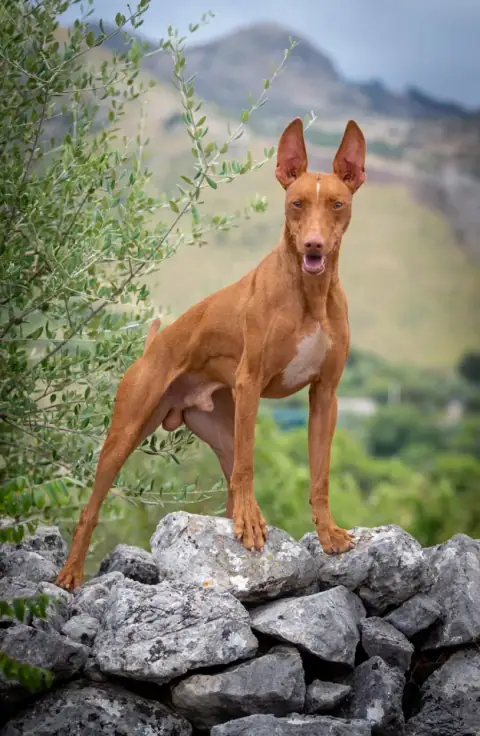
Cirneco dell'Etna
A rabbit-hunting dog of Sicily, shown on coins and mosaics from centuries before Christ, probably brought there by the Phoenicians.
Breed standard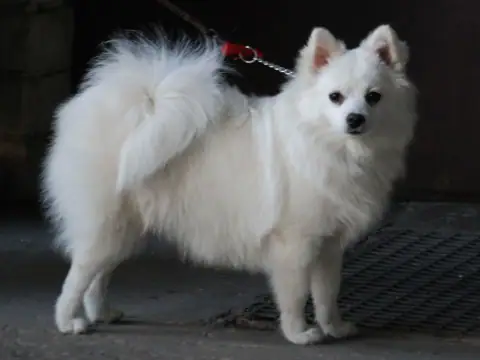
Volpino Italiano
A small spitz bred in Italy since time immemorial, in palaces and cottages alike, as a watchful guard. A Carpaccio painting of 1502 in Venice shows one.
Breed standard
Scenthounds (4)
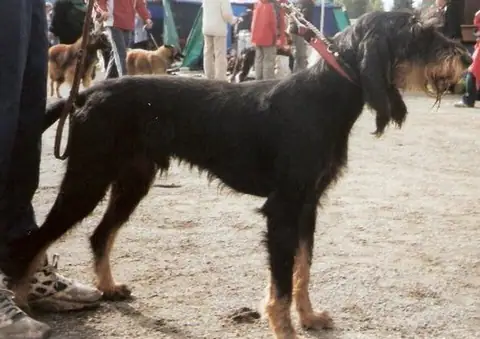
Italian Rough-Haired Segugio
Also called Segugio Italiano a Pelo Forte
A hound for hare and wild boar. Dogs of its type and size adorn ancient statues of Diana in Naples and the Vatican.
Breed standard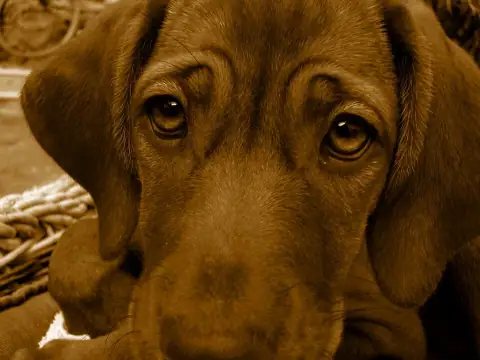
Italian Short-Haired Segugio
Also called Segugio Italiano a Pelo Raso
A hound for hare and wild boar that its standard traces to the hounds of ancient Egypt, brought along the Mediterranean by Phoenician merchants.
Breed standard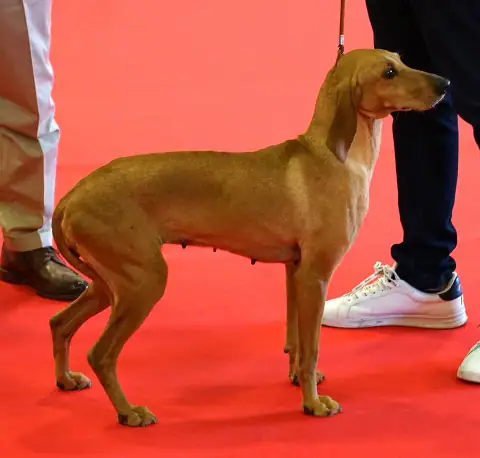
Segugio dell'Appennino
Also called Appennine Hound, Italian Hare-Hunting Dog
A small, agile hare hound kept by mountain people, described among Italy’s scenthounds in 1882.
Breed standard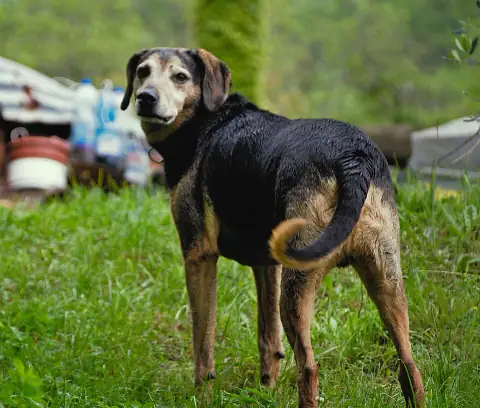
Segugio Maremmano
Bred by Tuscan wild boar hunters in the Maremma, the south of Tuscany, and known there since the 1930s.
Breed standard
Pointers and setters (2)
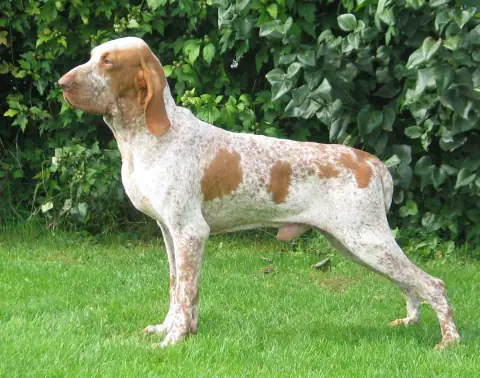
Bracco Italiano
Also called Italian Pointing Dog
An old Italian bird dog whose type shows in 14th-century frescoes; a pointer that is also an excellent retriever.
Breed standard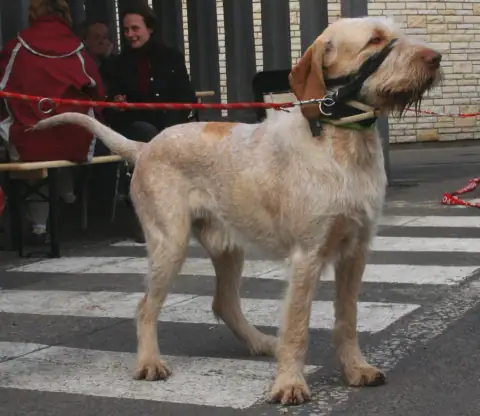
Spinone Italiano
Also called Italian Spinone
A rough-coated pointing dog. A French hunting book of 1683 mentions a “griffon” from Italy and Piedmont, and a 15th-century Mantegna fresco in Mantua shows one.
Breed standard
Retrievers and water dogs (1)
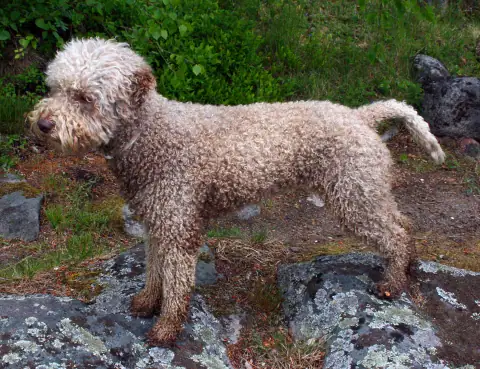
Lagotto Romagnolo
Also called Romagna Water Dog
Once a retrieving water dog of the Comacchio and Ravenna marshes; when the marshes were drained, it became a truffle dog.
Breed standard
Companion dogs (2)
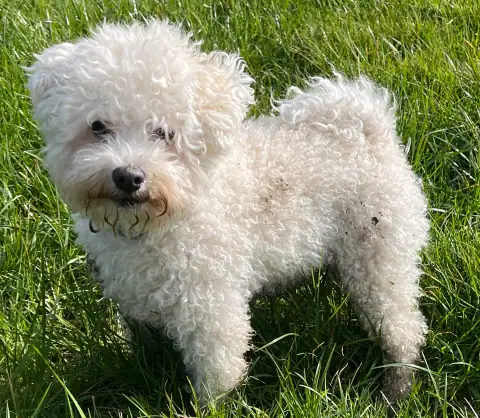
Bolognese
Shares distant ancestors with the Maltese. Cosimo de’ Medici took eight of them to Brussels as gifts for Belgian noblemen.
Breed standard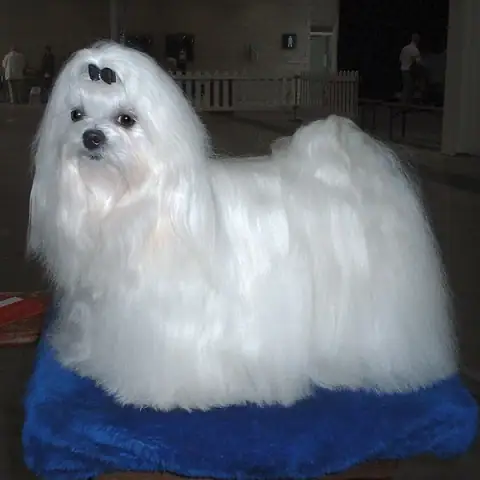
Maltese
Its standard says the name comes from a Semitic word for refuge or harbour, not from Malta. The game counts eight Mediterranean countries as right.
Breed standard
Sighthounds (1)
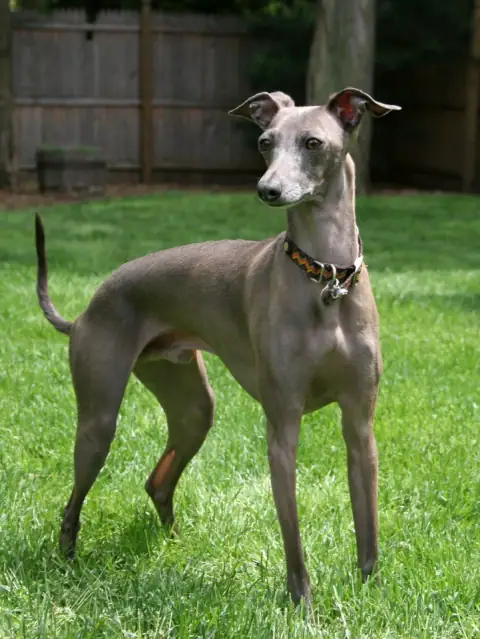
Italian Greyhound
Also called Italian Sighthound
Descends from small sighthounds of ancient Egypt, reached Italy in the 5th century BC and flourished at Renaissance courts.
Breed standard
Is there an Italian shepherd dog?
Two. The Bergamasco Shepherd Dog is an old herding breed of the Italian Alps and pre-Alps, most common in the valleys around Bergamo, where it helped shepherds drive their flocks between the mountain pastures and the plains of the Po Valley. Its standard cites a 16th-century painting of the breed, and the first dogs were registered in the Italian stud book in 1891.
The Maremmano-Abruzzese Sheepdog is a big flock guardian rather than a herder. Its standard says it comes from the sheepdogs still used in the Abruzzo and those that once lived in the Tuscan Maremma and Lazio, which mixed naturally as flocks moved from region to region, especially from 1860.
Are the Cane Corso and the Neapolitan Mastiff Roman dogs?
Both standards say so in their own words. The Cane Corso’s says: “Its direct ancestor is the old Roman Molossian.” Once found all over Italy, in the recent past it lived only in Apulia and the nearby regions of southern Italy. Its name, the standard says, comes from the Latin “cohors”, meaning “protector, guardian of the farmyard”.
The Neapolitan Mastiff’s standard calls it a descendant of the great Roman mastiff described by Columella in the first century AD, spread across Europe by the Roman legions. It survived for centuries in the countryside at the foot of Vesuvius and around Naples, and has been re-selected since 1947. The Cane Corso also has its own comparison with the Presa Canario.