Bulldog vs French Bulldog: how to tell them apart
The Bulldog, often called the English Bulldog, is British. The French Bulldog is French: it was bred in the working quarters of Paris in the 1880s, from dogs its standard calls relatives of the Bulldog of Great Britain. The quickest tell is the ears: small and folded back on a Bulldog, tall and upright on a French Bulldog.
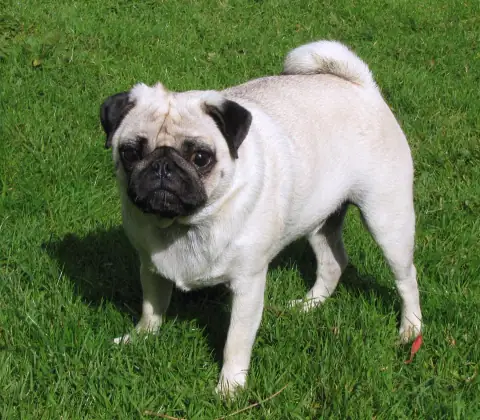
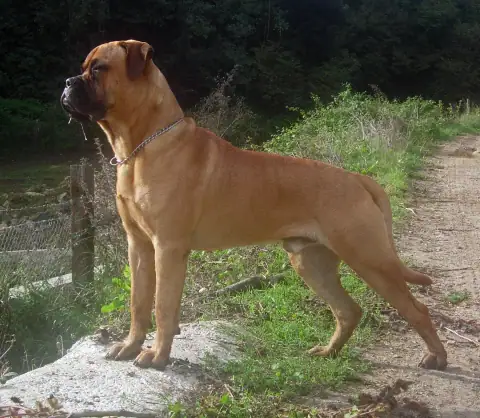
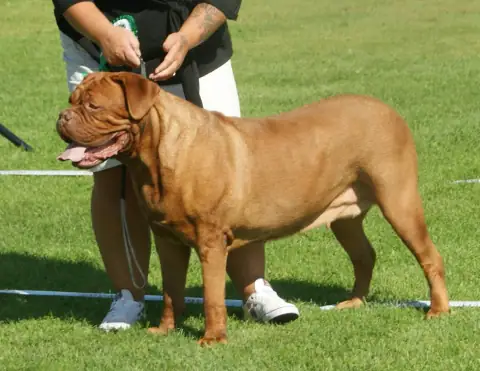
Six dogs: Bulldog, French Bulldog, or another breed?
Dog 1.
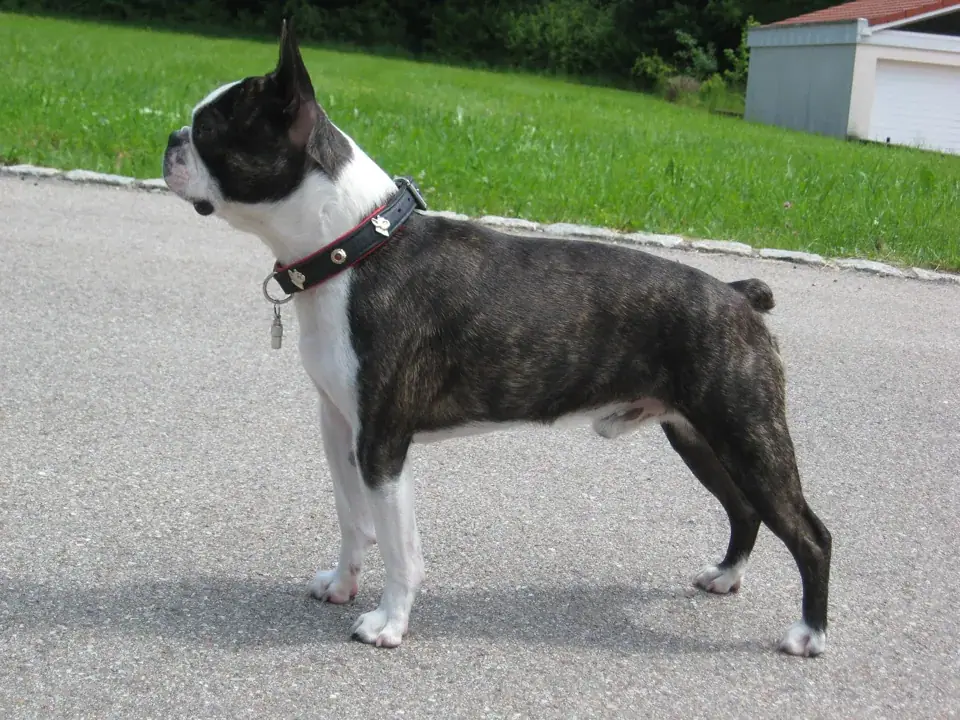
Photo: Andreas Schlaugat, CC BY 3.0 Dog 2.
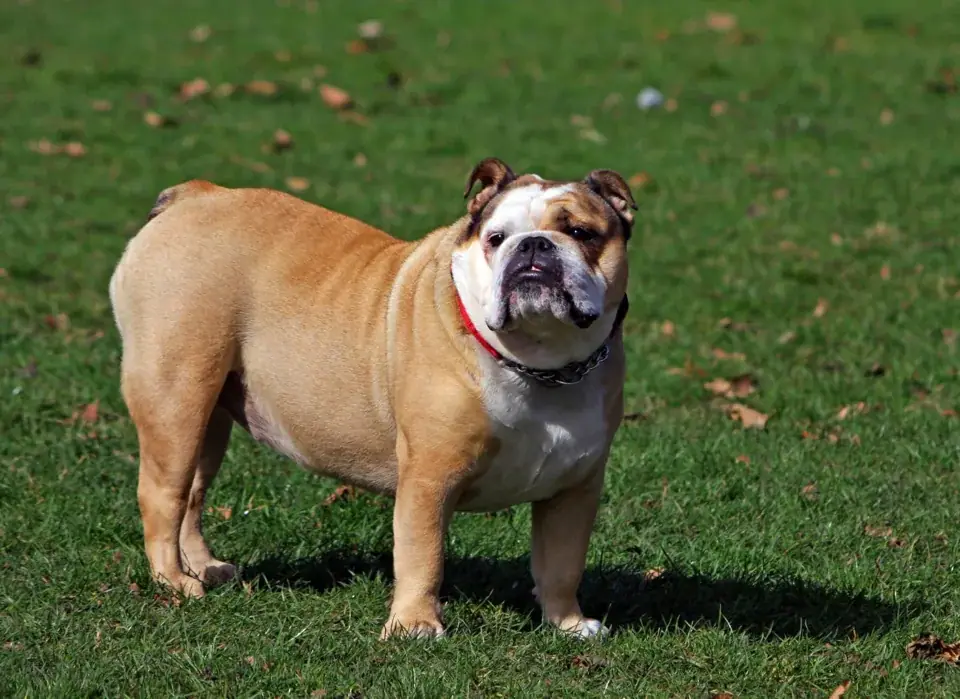
Photo: kaz (Pixabay), CC0 Dog 3.
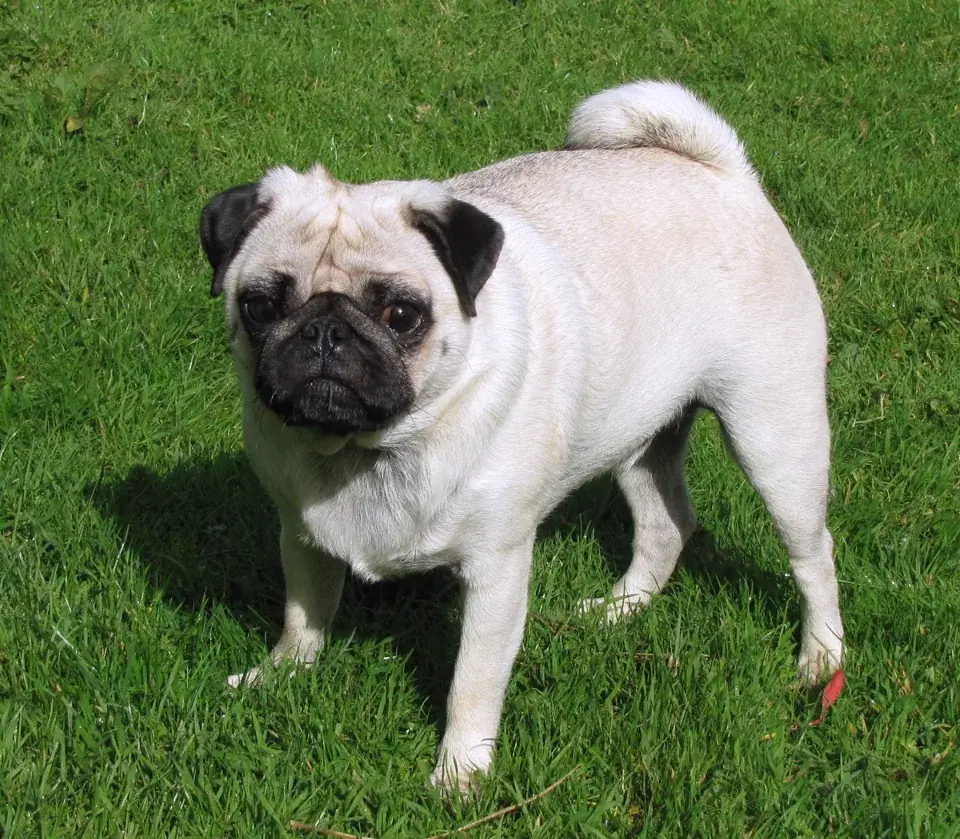
Photo: Abuk SABUK, CC BY-SA 3.0 Dog 4.
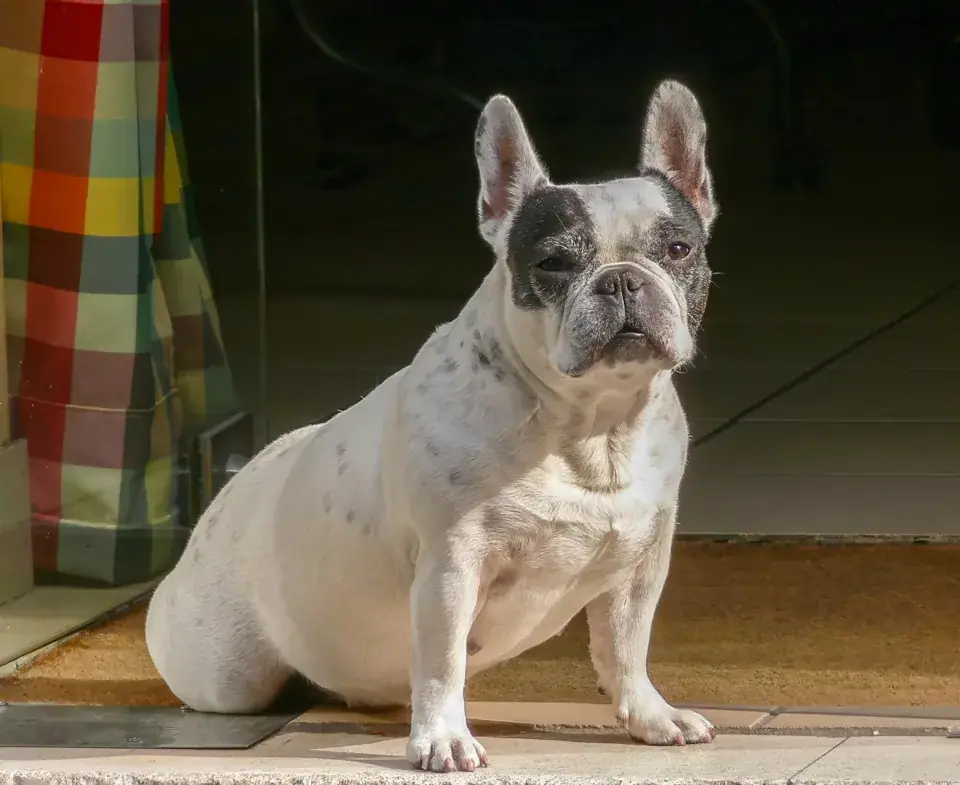
Photo: Reinhold Möller Ermell, CC BY-SA 4.0 Dog 5.
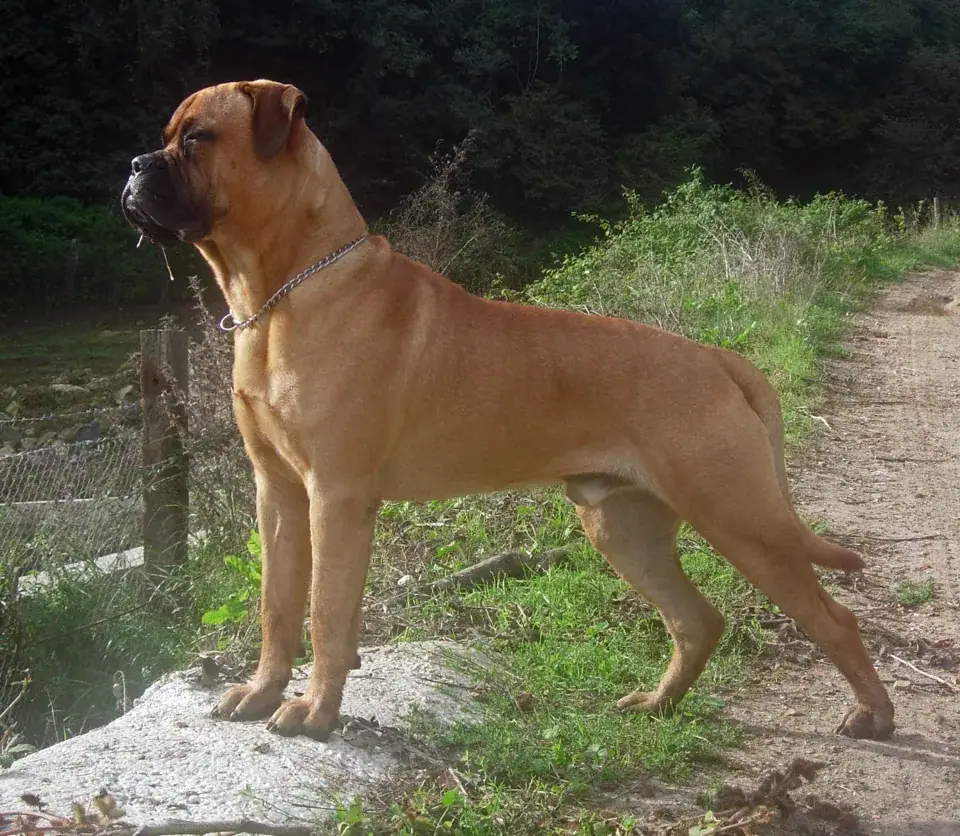
Photo: Fausto Moreno, CC BY-SA 3.0 Dog 6.
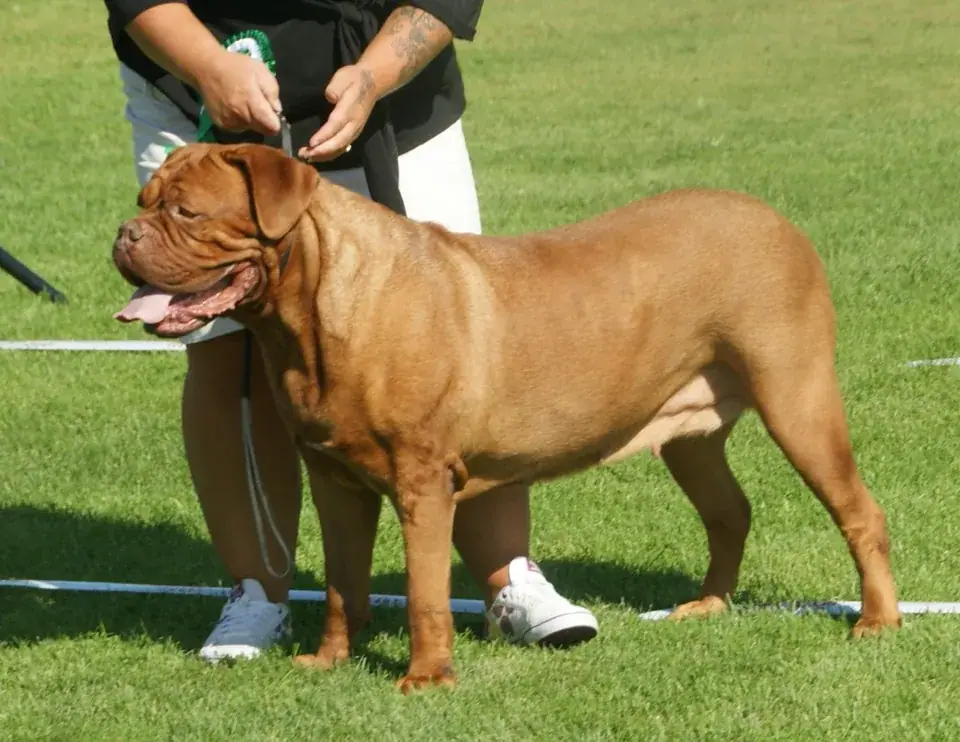
Photo: Canarian, CC BY-SA 4.0
The two side by side
| Bulldog | French Bulldog | |
|---|---|---|
| Home | Great Britain | France (Paris) |
| Bred as | Originally for bull-baiting; today a deterrent and companion dog | A companion dog |
| Weight, males | 25 kg | 9 to 14 kg |
| Weight, females | 23 kg | 8 to 13 kg |
| Height | Not given; the standard asks for a dog “rather low in stature” | Males 27 to 35 cm, females 24 to 32 cm |
| Ears | Small and thin, set high and wide apart, “rose ear”: folding inwards and back | Medium sized, wide at the base, rounded at the top, carried erect and open to the front |
| Face | Short, with a broad, blunt muzzle turned slightly upwards | Short, with a broad, snubbed nose and a muzzle with symmetrical folds |
| Tail | Set low, straight out then turning down, tapering to a fine point; never carried above the back | Naturally short, set low, ideally just long enough to cover the anus |
| Colour | Red, fawn or white, often with white markings; brindles; pied; may have a black mask | Fawn, brindled or not, with or without white spotting |
| Breed began | First classified as a Bulldog in the 1630s; first shown in 1860 | Bred in Paris in the 1880s; first club 1880, first standard 1898 |
How do you tell a Bulldog from a French Bulldog?
The ears first. A Bulldog’s ears are small and thin, set high and wide apart, and fold inwards and back in what its standard calls a “rose ear”. A French Bulldog’s ears are medium sized, wide at the base and rounded at the top, and stand straight up, open to the front.
Then the size. The Bulldog standard asks for 25 kg in a male and 23 kg in a female. A French Bulldog male weighs 9 to 14 kg, a female 8 to 13 kg, so a Bulldog is roughly twice the weight. The Bulldog standard gives no height; it asks for a broad, powerful, compact dog, rather low in stature.
Then the back and tail. A French Bulldog’s topline rises gently from the withers to the loin, which its standard calls a roach back, and its tail is naturally short. A Bulldog’s tail is set low, juts out and turns down to a fine point.
Where does each come from?
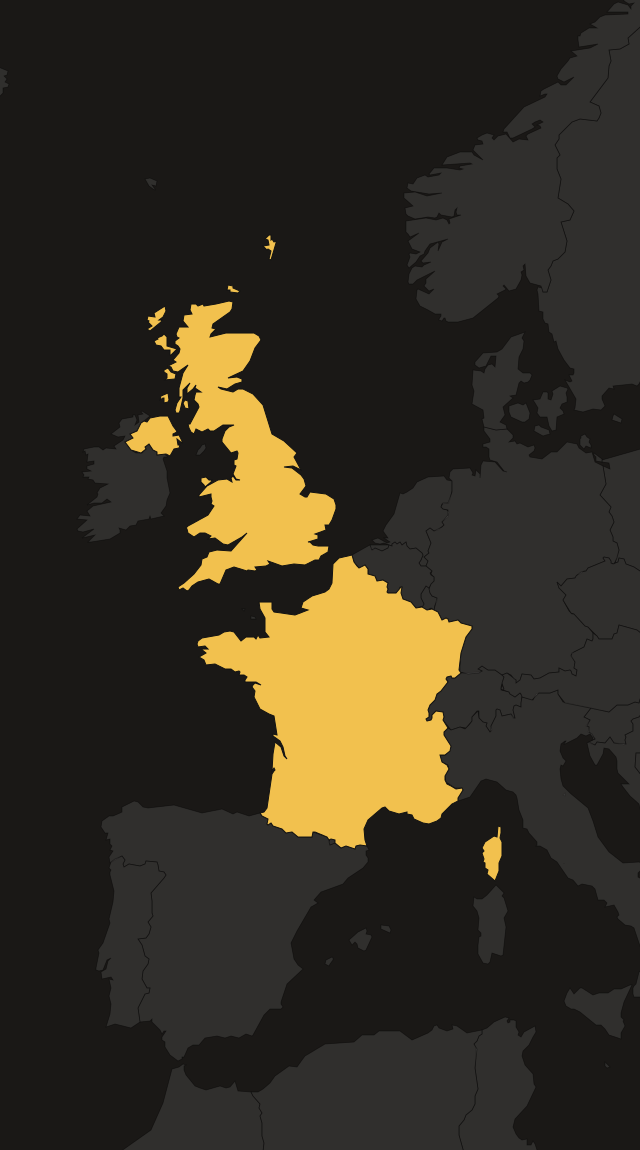
The Bulldog: Great Britain. Its standard says it was first classified as such in the 1630s and was used originally for bull-baiting. After 1835 it began to change into the shorter-faced, squatter dog known today, and it entered the show ring in 1860. The standard calls it one of the oldest native British breeds and the national dog of Great Britain.
The French Bulldog: Paris. Its standard says it probably descends, like all mastiffs, from the molossers of ancient Epirus and the Roman Empire, and is a relative of the Bulldog of Great Britain and of the small mastiffs of France. The breed itself is “the product of different crossings done by enthusiastic breeders in the popular quarters of Paris in the 1880s”, where it belonged to market porters, butchers and coachmen before high society and artists took it up. Its first club was founded in Paris in 1880, the first dog was shown in 1887, and the French Kennel Club recognised the breed in 1898.
So is the French Bulldog really English? Its standard names France as its home and Paris as where it was made, and names the British Bulldog as a relative, not its only ancestor.
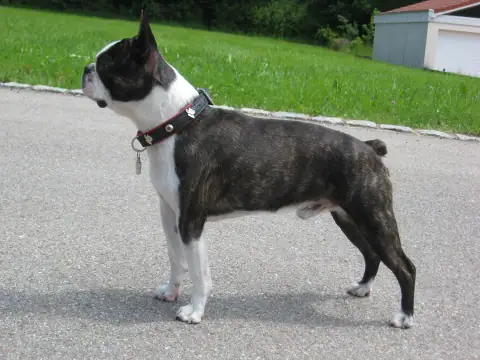
Other short-faced dogs that look alike


Facts from the Bulldog standard (No. 149, 8 September 2026) and the French Bulldog standard (No. 101, 10 August 2023).