Belgian Malinois vs Dutch Shepherd: how to tell them apart
The Malinois is the short-haired variety of the Belgian Shepherd: fawn, with a very pronounced black mask. The Dutch Shepherd, or Hollandse Herdershond, is always brindle. If the coat has stripes, it is not a Malinois.
Six dogs: Belgian Malinois, Dutch Shepherd, or another breed?
Dog 1.
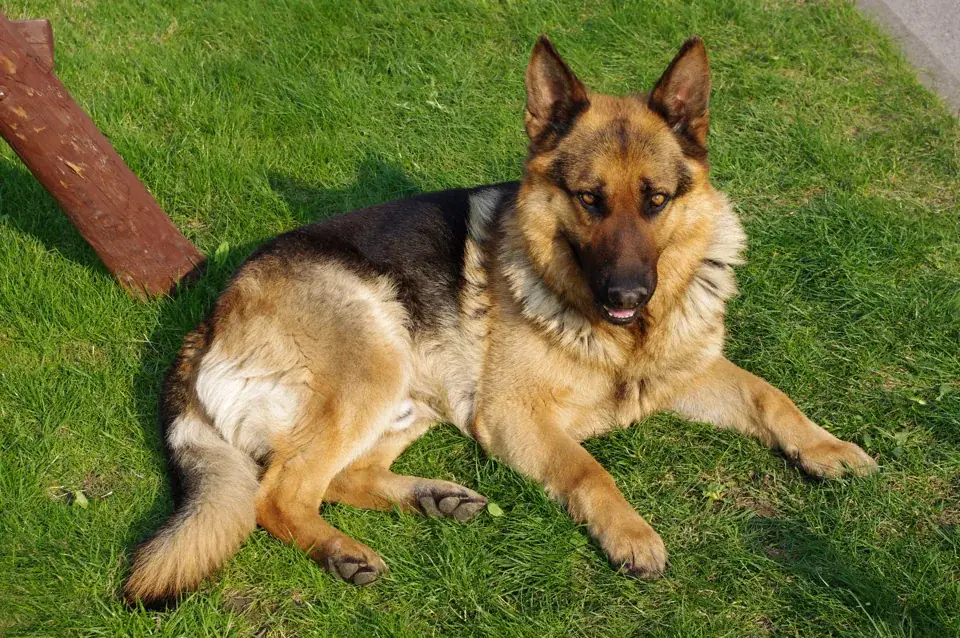
Photo: Jakub Hałun, CC BY-SA 4.0 Dog 2.
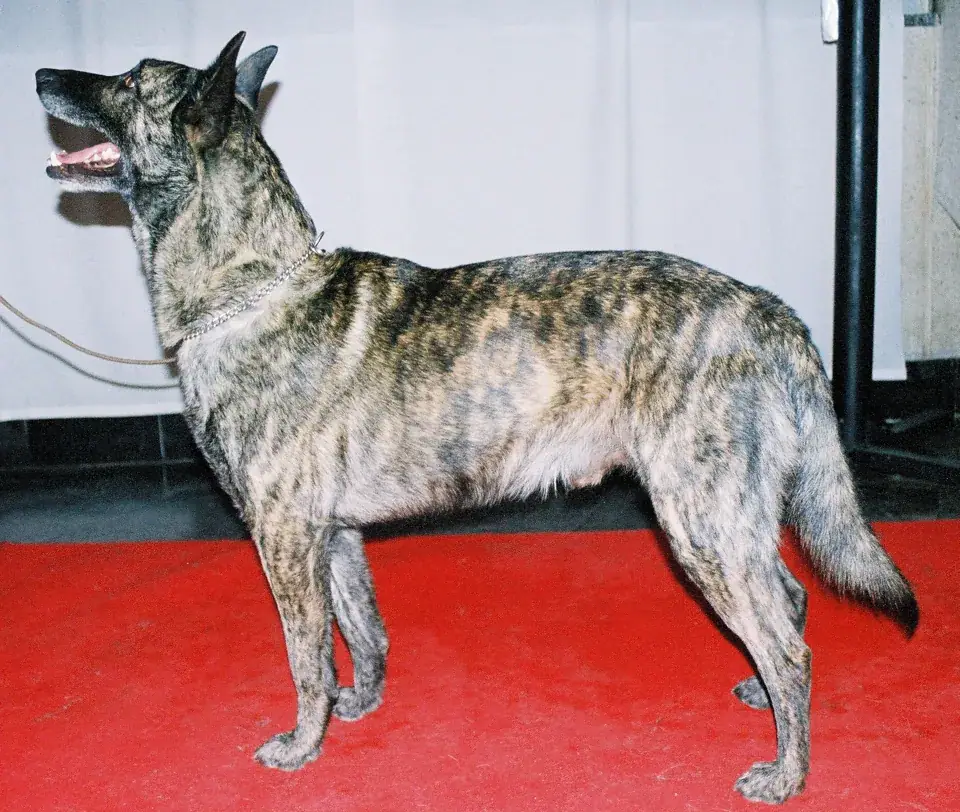
Photo: Pleple2000, CC BY-SA 3.0 Dog 3.
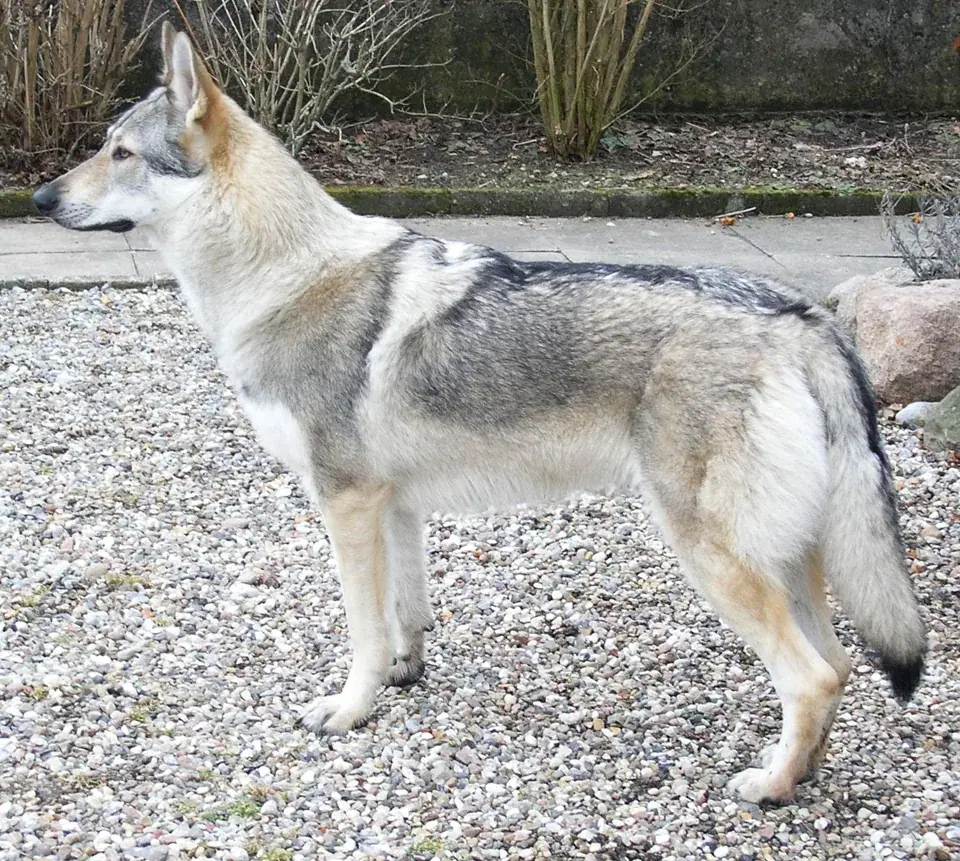
Photo: Pandora666, CC BY-SA 3.0 Dog 4.
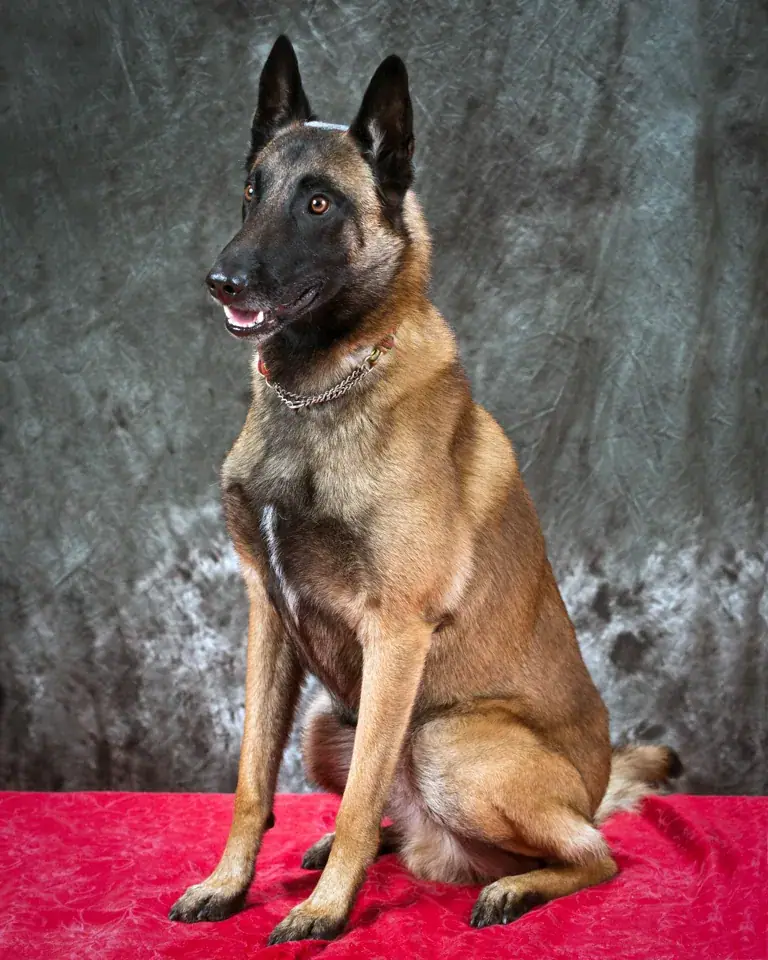
Photo: SheltieBoy from USA, CC BY 2.0 Dog 5.
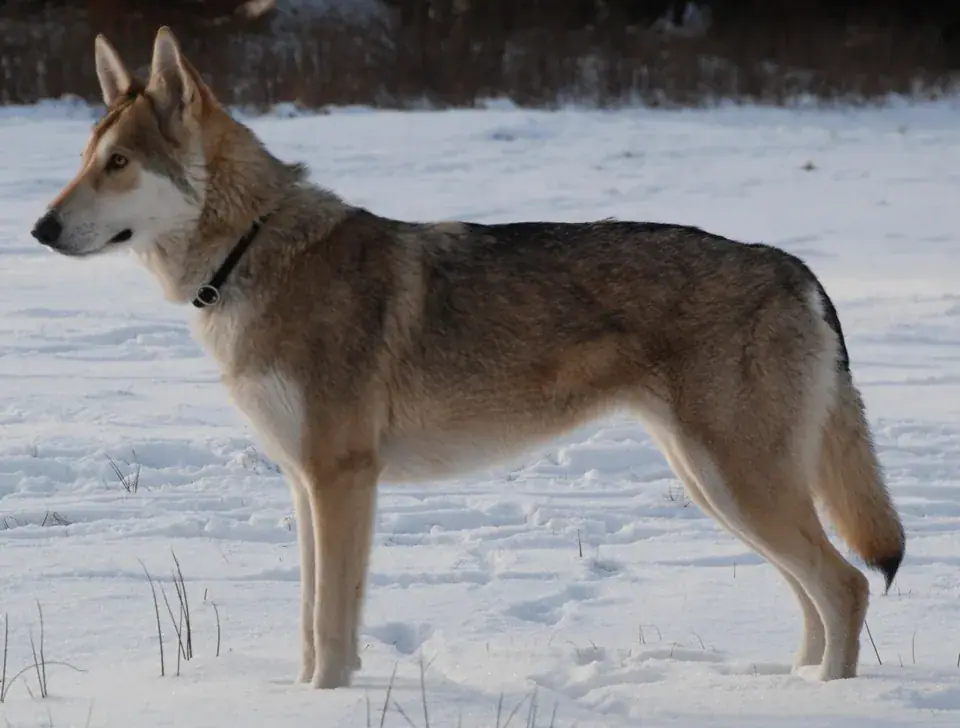
Photo: Claudia Schröder, CC BY-SA 4.0 Dog 6.
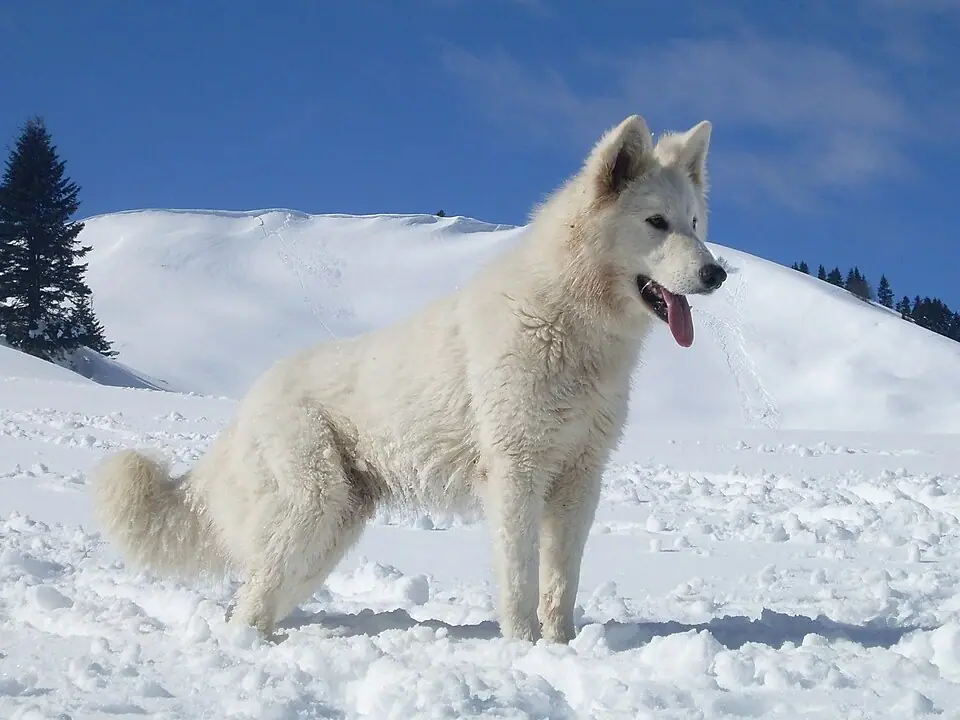
Photo: Durdur31, Public domain
The two side by side


| Belgian Malinois | Dutch Shepherd | |
|---|---|---|
| Home | Belgium | The Netherlands |
| Also called | The short-haired Belgian Shepherd | Hollandse Herdershond |
| Colour | Only fawn with black overlay (black-tipped hairs); never in stripes | Always brindle, on a golden or silver base |
| Mask | Very pronounced: lips, lip corners and eyelids in one black zone | A black mask is preferred |
| Coat | Short; the Belgian Shepherd has four varieties, judged separately | Three varieties: short-, long- and wire-haired |
| Height, males | About 62 cm (60 to 66 cm) | 57 to 62 cm |
| Height, females | About 58 cm (56 to 62 cm) | 55 to 60 cm |
| Weight | Males about 25 to 30 kg, females about 20 to 25 kg | Not given in its standard |
| Breed began | Born between 1891 and 1897; club founded in Brussels in 1891 | First standard 12 June 1898 |
How do you tell a Malinois from a Dutch Shepherd?
Look for stripes. The Dutch Shepherd’s standard has one colour: brindle, on a golden base that runs from light sand to chestnut red, or on a silver base, with the brindling clearly present all over the body, including the ruff, breeches and tail. The Malinois is only fawn with black overlay, meaning hairs with black tips, and its standard says that blackening must never form real stripes. Stripes mean Dutch Shepherd.
Then the face. For the Malinois, the mask “must be very pronounced”, covering the lips, the corners of the lips and the eyelids in one black zone. The Dutch Shepherd’s standard only says a black mask is preferred.
Then the coat. A Dutch Shepherd can be short-, long- or wire-haired. The Malinois is always the short-haired one; the Belgian Shepherd’s other varieties are the long-haired Groenendael and Tervueren and the rough-haired Laekenois.
Size barely helps. A Malinois male is about 62 cm, a Dutch Shepherd male 57 to 62 cm.
Are Dutch Shepherds the same as Malinois?
No. They are two breeds with their own standards and their own countries, though both began as farm sheepdogs and became working and service dogs, and the two countries share a border. The Dutch Shepherd’s other name is its Dutch one, Hollandse Herdershond.
Where does each come from?
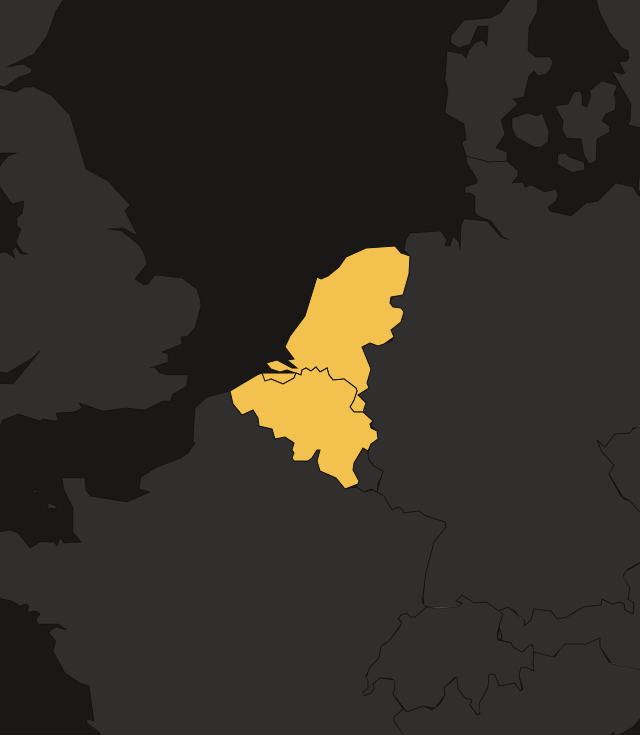
The Malinois: Belgium. The Belgian Shepherd was officially born between 1891 and 1897. Its club was founded in Brussels on 29 September 1891, and Professor A. Reul of the Cureghem veterinary school, whom its standard calls the breed’s real pioneer and founder, gathered 117 of the country’s varied herding dogs to choose the best.
The Dutch Shepherd: the Netherlands. Its standard says it was first a shepherd’s dog in the countryside, keeping flocks off the crops by patrolling the edges of roads and fields, and taking them to meadows, markets and ports. On the farm it kept hens out of the kitchen garden, herded the cows for milking and pulled the milk carts. When the sheep flocks had mostly gone, around 1900, it turned to police work, tracking and guiding the blind. Its first standard dates from 12 June 1898.
Other shepherd dogs that look alike
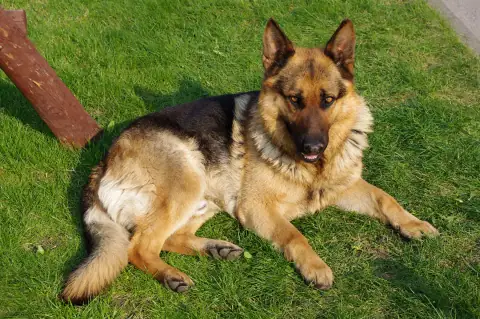 German ShepherdGermany
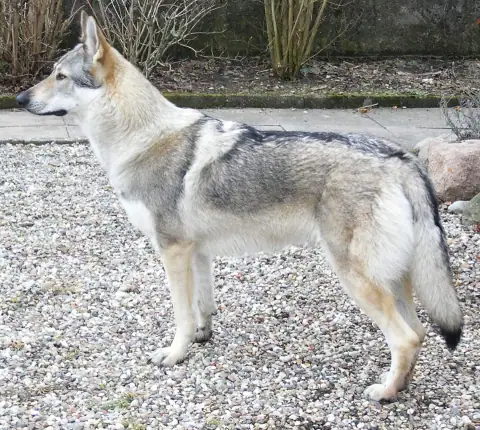 Czechoslovakian WolfdogCzechia and Slovakia
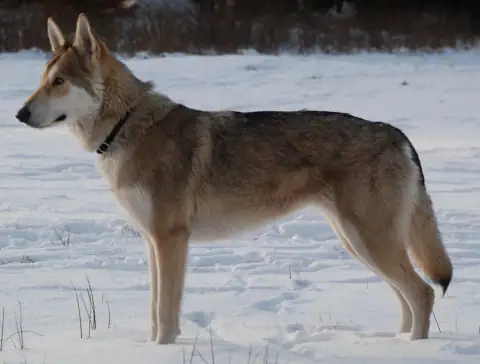 Saarloos WolfdogNetherlands
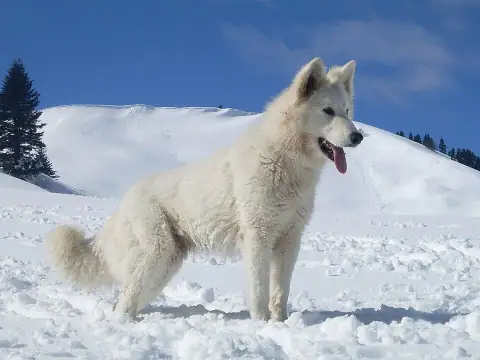 White Swiss Shepherd DogSwitzerland
The Malinois has a second famous look-alike: German Shepherd vs Belgian Malinois.
Facts from the Belgian Shepherd standard (No. 15, 13 March 2001) and the Dutch Shepherd standard (No. 223, 21 December 2019).